
Providing specialist bladder cancer screening services

Bladder Cancer

Bladder cancer is a malignant tumor in the lining of the bladder (urothelium).

Over 90% of bladder cancers are transitional cell carcinomas (TCC). They are derived from the specialised cells which line the normal bladder. Five percent of bladder cancers are squamous cell carcinomas (SCC). In these cases the cells have undergone changes as a result of long standing irritation.

Bladder cancer develops as carcinogens travel into the bloodstream through inhalation, ingestion and dermal or eye contact. The chemicals are then filtered out by the kidneys, ending up in the urine in the bladder. Here they incite an adverse change at a genetic level, causing a tumor to develop in the lining of the bladder.
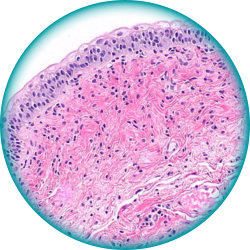
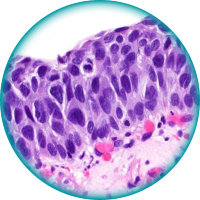
Normal lining of the bladder (urothelium)

Pre-invasive flat carcinoma (Stage I)

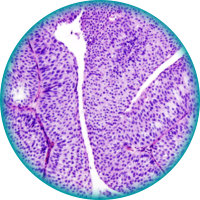
Pre-invasive papillary carcinoma (Stage I)
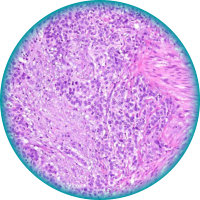
Invasive carcinoma (Stages II and III - these cells present in the same way but are more deeply embedded for stage III than for stage II)

Lymph node metastasis (Stage IV)

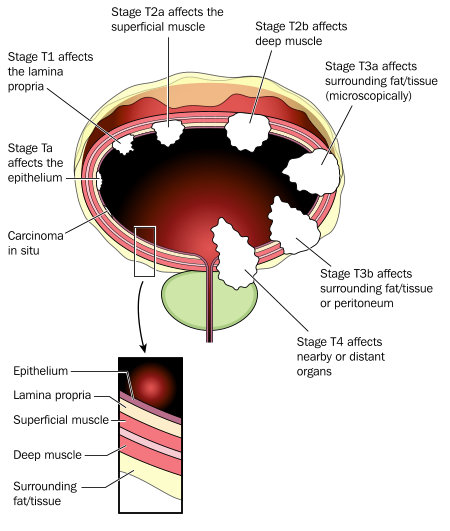
As bladder cancer develops it can be diagnosed in four stages:

  • Stage I – Cancer occurs in the bladder’s inner lining but hasn’t invaded the muscular bladder wall.
  • Stage II – Cancer has invaded the bladder wall but is still confined to the bladder.
  • Stage III – Cancer cells have spread through the bladder wall to surrounding tissue.
  • Stage IV – Cancer cells may have spread to the lymph nodes and other organs, such as bones, liver or lungs.

Early detection at stages I and II is preferred as treatment at these stages is more likely to be curative.

Most people diagnosed with bladder cancer are over 60 years old, but increasingly people of all ages from children to teenagers and young adults to the middle aged, can also be affected by the disease. Historically, about two-thirds of those diagnosed have been men, however this statistic is changing. With more female smokers the incidence of bladder cancer in the female population is on the rise.

The majority of bladder cancers are caused by lifestyle and therapeutic factors and exposure to environmental carcinogens. Smoking is by far the most preventable cause of bladder cancer. Other causes include known and suspected occupational carcinogens (for more information on occupational carcinogens please click here 

Symptoms for bladder cancer include:

  • Blood in urine.  This is the most common symptom of bladder cancer. 80% of people with bladder cancer have some blood in their urine.  Blood can be present in such small amounts that it may not always be visible to the naked eye.
  • The need to frequently pass urine
  • Needing to pass urine urgently and suddenly
  • Pain when passing urine
  • Incontinence
  • Urinary infections that don’t respond to antibiotics
  • Tiredness
  • Abdominal pain
  • Weight loss

For more detailed information on symptoms please click here